
Top Video Marketing Trends for 2026 (And How to Execute Them)
AI, vertical formats, and silent optimization are taking over. Here is how to execute 2026's top video trends without compromising your site's performance.


95% of video marketers now consider video a "must-have" for their overall strategy, up from 88% in 2025 (Affinco's 2026 industry report). If you're reading this, you already know video is non-negotiable for growing an audience or selling a product. But what worked just a few years ago is rapidly losing its effectiveness. The problem most marketers face today isn't knowing what the trends are—it's figuring out how to actually execute them on their own websites without slowing down their pages, confusing their visitors, or relying too heavily on social media algorithms.
In 2026, the intersection of content creation and technical delivery is where the real battle is won. Let's look beyond the surface-level hype and break down the top video marketing trends you need to adopt this year—and exactly how to implement them without losing your audience's trust.
• AI-Assisted Production: 75% of marketing videos in 2026 will use AI, but human authenticity is required to stand out.
• Vertical Expansion: Short-form vertical video is moving off social media and directly onto dedicated landing pages.
• Silent Optimization: Videos must be designed to convert with the sound completely off.
• Shoppable Content: Interactive layers are shortening the funnel from viewing directly to purchasing.
• Performance as a Baseline: Adopting new formats is useless if the underlying delivery network causes buffering.
1. AI-Assisted Production Meets Authenticity
Artificial intelligence has definitively transitioned from a novelty to a daily utility. In fact, 75% of marketing videos in 2026 are expected to be AI-generated or AI-assisted (Affinco's 2026 industry report). We are seeing businesses use AI tools for everything from scriptwriting and storyboarding to synthetic voiceovers, automated b-roll generation, and instant multilingual dubbing.
Businesses employing AI-driven video marketing report an 82% increase in ROI compared to traditional video creation (SellersCommerce's 2026 research). This is largely because AI dramatically lowers the barrier to entry, allowing small marketing teams to produce content at a scale that used to require a dedicated, full-time studio.
But there is a significant catch. As AI-generated content floods the market, consumer trust is becoming the ultimate currency. Viewers are highly sensitive to fully automated, soulless videos. The most successful teams in 2026 are using tools like Descript or Runway to handle the tedious backend work—editing out filler words, color grading, and drafting initial concepts—while putting real humans and genuine, unscripted experiences in front of the camera. How-to videos, in particular, have surged in popularity because they combine useful information with an authentic, human-led delivery.
For a comprehensive look at how to balance high-volume production with authentic messaging, check out our Definitive Guide to Video Marketing.
2. Short-Form Vertical Video Leaves Social Media
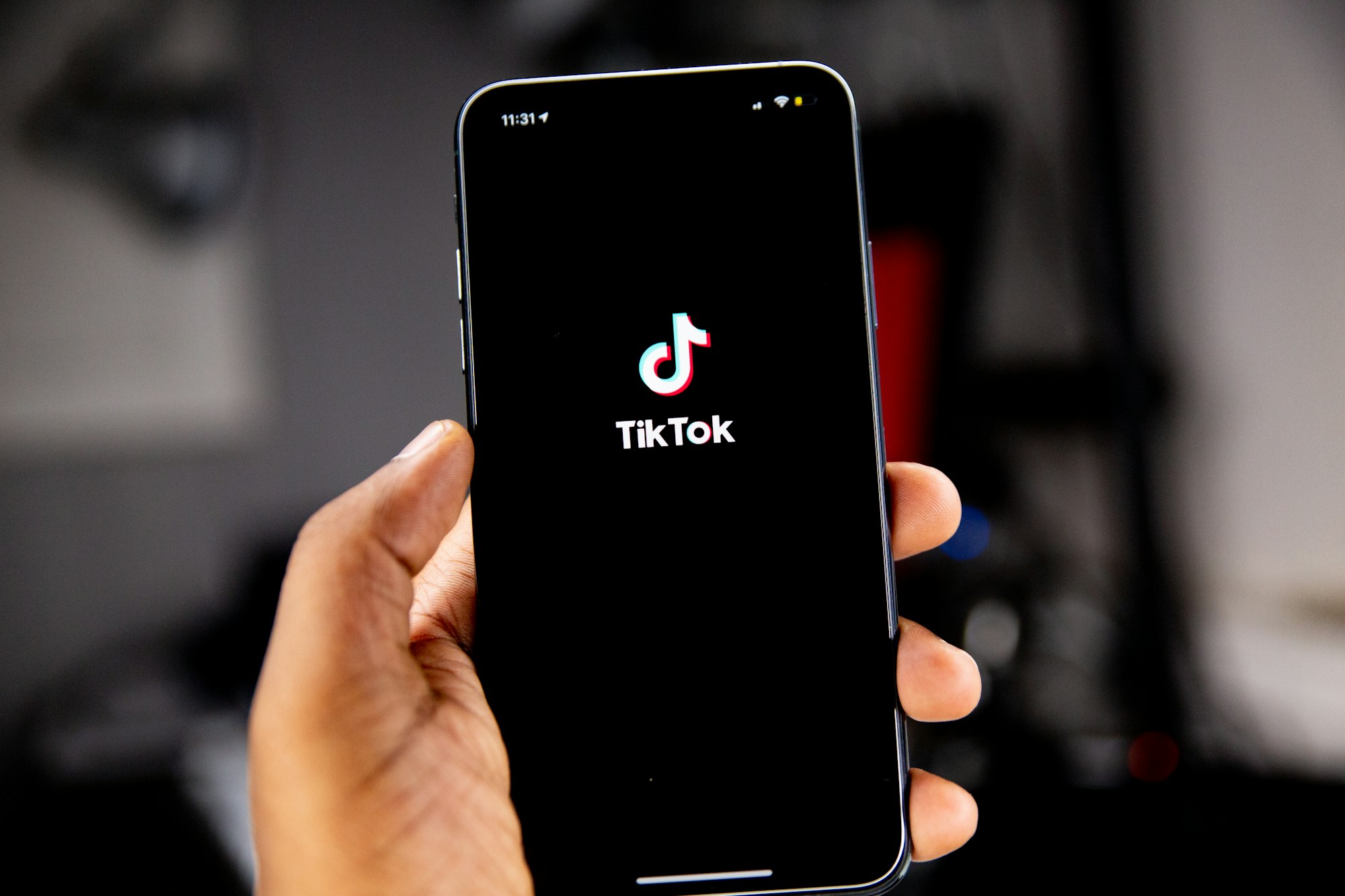
The dominance of vertical video isn't exactly breaking news, but where it lives has fundamentally changed. Previously confined to TikTok, Instagram Reels, and YouTube Shorts, vertical video is now becoming a critical component of standard web design.
Data shows that 73% of Gen Z users rely on short-form video for product discovery and research (Affinco's 2026 industry report). However, if you only host these videos on social platforms, you are building your audience on rented land, constantly subject to changing algorithms. Brands are increasingly taking their short-form content—edited in platforms like CapCut—and embedding it directly onto their product pages, blogs, and homepages.
As mobile video consumption surges alongside 5G adoption, visitors expect a mobile-first viewing experience. (You can read more about this infrastructure shift in What 5G Means for Video Marketing). Instead of forcing mobile users to rotate their phones to watch a tiny 16:9 box, vertical video fills the screen naturally, keeping the viewer immersed and reducing bounce rates on your landing pages.
3. Silent Video Optimization is Mandatory
It might seem counterintuitive for a visual and auditory medium, but sound is no longer the default state for video consumption. A massive portion of mobile video is consumed in public spaces, offices, or while dual-screening on the couch—meaning the sound is completely muted.
If your video relies heavily on a voiceover or a talking head without any on-screen context, you are losing a significant percentage of your audience within the first three seconds.
To adapt to this, marketers must focus heavily on silent optimization. This strategy requires:
- Hardcoded or highly accurate captions: Relying on auto-generated browser captions isn't enough. You need stylized, readable text that fits your brand's aesthetic.
- Visual cues and motion graphics: Use text overlays, arrows, and animations to highlight key takeaways so the message is clear without audio.
- Action-oriented openings: Start with dynamic movement or a visually striking scene rather than a static shot of someone sitting down to talk.
If you're managing your own video files, understanding how to create and implement VTT files for captions is a crucial technical skill for 2026.
Implementing these 2026 trends won't help if your video player shows competitor ads or suggested videos that pull users away. See how SmartVideo keeps visitors focused entirely on your brand.
4. Shoppable and Interactive Videos Shrink the Funnel
The traditional customer journey is getting shorter. In the past, a top-of-funnel video would build awareness, and a separate text link or button further down the page would hopefully drive the sale. Today, shoppable video elements allow users to click directly on a product within the video player to add it to their cart instantly.
Beyond strictly e-commerce applications, interactive video is taking many forms across different industries:
- In-video branching: Choose-your-own-adventure style narratives where viewers select what topic they want to learn about next.
- Integrated lead capture: Email submission forms that appear directly inside the video player before revealing the finale or a downloadable asset.
- Clickable hotspots: Interactive zones that pause the video and display product specifications or additional context when clicked.
Video testimonials are especially effective as interactive content—pairing real customer stories with clickable product links creates a short, high-converting funnel entirely within a single video.
This level of interactivity requires a highly controlled, premium hosting environment. If you are just pasting a free embed code from a social platform, you simply won't have the granular control needed to layer these interactive elements seamlessly over your content.
5. The Foundational Trend: Speed and Delivery

We've covered AI, vertical formats, silent viewing, and interactivity. But here is the hard truth that many marketers ignore: none of these trends matter if your video buffers.
Global digital video ad spending is projected to reach $223.5 billion in 2026, a 7.7% increase from 2025 (Affinco's 2026 industry report). Companies are spending millions to produce, edit, and promote video content, only to host it on sluggish, bloated players that drag down their Core Web Vitals.
When discussing the impact of slow-loading videos, we constantly see brands lose conversions because their high-resolution, AI-enhanced vertical video took five seconds to start playing. We dive deep into this technical reality in our post on How to Win With Video Speed.
Furthermore, relying on free consumer platforms means you are giving up control of the user experience. Choosing the right video platform is critical if you want to avoid third-party branding, suggested videos that link directly to your competitors, and data tracking you don't control. If you're still relying on free embeds, it's time to seriously evaluate the best YouTube competitors and alternatives.
You need a premium, business-focused CDN that leverages edge networks to deliver instant playback, regardless of the user's device or location. Ensuring your videos load instantly is the baseline requirement before any other marketing tactic can succeed. And as an added benefit, when your pages load faster, it's a massive win for your video SEO strategy as well.
Frequently Asked Questions
What is the future of video marketing?
How do I build audience engagement with video?
Do I need expensive equipment for video marketing?
Who needs video marketing?
How does video impact website load times?
What is the best video format for websites?
Why is my website video buffering?
Should I use YouTube to host my website videos?
Stop Letting Poor Performance Ruin Great Content
The video marketing trends for 2026 are clear: speed, authenticity, and mobile-first optimization are leading the charge. By strategically embracing AI to speed up your workflow and focusing on how your videos are delivered, you can dramatically improve engagement and conversions across your site. But remember, a great video hosted on a slow, ad-heavy player will always underperform. For deeper benchmarks, see the Wyzowl Video Marketing Statistics report and HubSpot's State of Marketing.
If you're ready to implement these trends with a fast, distraction-free player that keeps visitors on your site without killing your page speed, it's time to upgrade your infrastructure. Take control of your video delivery and start converting more visitors today.