
10 Social Media Video Formats That Drive Results (2026)
Which social media video formats actually drive results in 2026? Here are 10 types that work — broken down by platform, ideal length, and when to use each one.

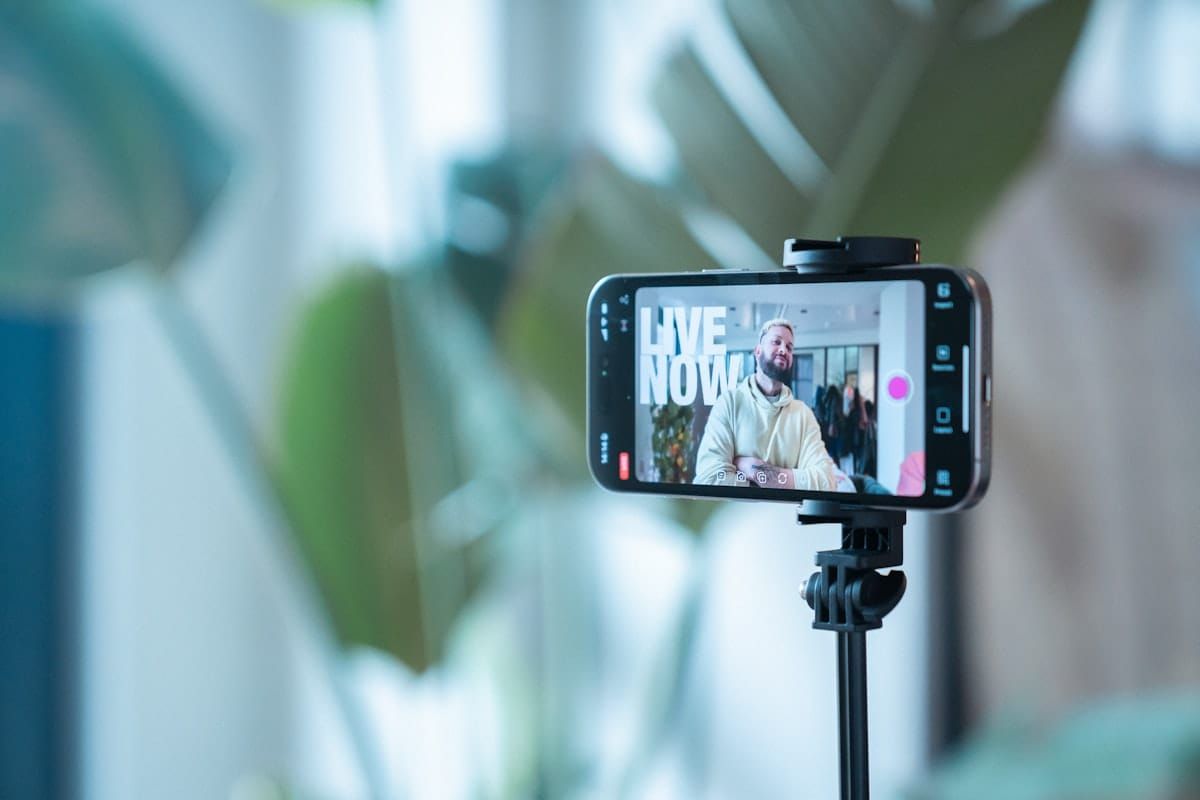
• Short-form dominates: TikTok, Reels, and YouTube Shorts drive the most reach — short-form views grew 36% year-over-year (Sprout Social, 2026).
• Format matters by platform: Video wins on TikTok and Instagram for reach, but LinkedIn carousels outperform video 3:1 for engagement (Buffer, 2026).
• Authenticity beats production value: Behind-the-scenes, UGC, and testimonial videos build trust faster than polished brand content.
• Website embedding is different: Formats that work natively on social don't always translate to your site — product demos and tutorials perform best when self-hosted.
91% of businesses now use video as a marketing tool (Wyzowl, 2026). But "use video" is vague advice. The real question is which video formats actually perform on each platform — and which ones are worth your time.
The answer depends on your goals. Some formats are built for reach. Others drive engagement or conversions. A few work well both on social platforms and embedded on your own website.
Here's a practical breakdown of the 10 social media video formats that are actually worth producing in 2026, based on platform data and what we've seen work across hundreds of sites.
Quick Reference: Video Formats by Platform
| Format | Best Platform | Ideal Length | Primary Goal |
|---|---|---|---|
| Short-Form (Reels/Shorts/TikTok) | TikTok, Instagram, YouTube | 15–60 seconds | Reach |
| Live Streams | YouTube, Facebook, LinkedIn | 15–60 minutes | Engagement |
| Behind-the-Scenes | Instagram, TikTok | 30–90 seconds | Trust |
| Product Demos / Tutorials | YouTube, Website | 2–10 minutes | Conversions |
| User-Generated Content | TikTok, Instagram | 15–60 seconds | Social Proof |
| Testimonials | Website, LinkedIn, YouTube | 60–120 seconds | Trust / Conversions |
| Interviews / Q&A | YouTube, LinkedIn | 5–20 minutes | Authority |
| Animated / Explainer | YouTube, Website, LinkedIn | 60–180 seconds | Education |
| Stories | Instagram, Facebook | 5–15 seconds per slide | Retention |
| Event / Announcement | LinkedIn, Twitter/X, YouTube | 30–120 seconds | Awareness |
1. Short-Form Video (Reels, Shorts, TikTok)
Short-form video is the dominant format in 2026 by almost every metric. Short-form video views grew 36% year-over-year, driven by TikTok, Reels, and YouTube Shorts (Sprout Social, 2026).
The numbers back this up. TikTok videos earn a median engagement rate of 3.39% — 77% higher than carousels and photo posts on the same platform (Buffer, 2026). Instagram Reels achieve 2.25x more reach than single-image posts (Sprout Social, 2026).
From working with hundreds of sites, here's what we've noticed: short-form works best when it delivers one clear takeaway in under 30 seconds. The hook matters more than production quality. A shaky phone recording with a strong opening line will outperform a polished clip with a slow buildup every time.
Best for: Brand awareness, reaching new audiences, trend participation
2. Live Streams
Live streaming gives you something pre-recorded video can't — real-time interaction. Viewers can ask questions, react, and shape the conversation as it happens. That's a level of engagement no other format matches.
The format has matured significantly. What started as a novelty is now a serious marketing channel. Facebook, YouTube, LinkedIn, and even TikTok all support native live streaming, and each platform's algorithm tends to boost live content to followers' feeds.
In our experience, the most effective live streams aren't improvisational — they're loosely scripted with room for interaction. Set a topic, prepare 3-5 talking points, and leave space for viewer questions. Regular schedules (weekly, biweekly) work better than one-off broadcasts because they train your audience to show up.
Use live streams for: Q&A sessions, product launches, webinars, and community building
3. Behind-the-Scenes Videos

This is the format competitors consistently rank but most brands underuse. Behind-the-scenes (BTS) content pulls back the curtain on how your product gets made, how your team works, or what a typical day looks like at your company.
Why does it work? Audiences in 2026 are skeptical of polished brand content. BTS videos feel authentic because they are authentic. They don't need a script, they don't need a production crew, and they're fast to create.
We've seen BTS content perform particularly well on Instagram and TikTok, where the casual, unfiltered aesthetic fits the platform culture. A 30-second clip of your team packaging orders or debugging a feature can build more trust than a polished brand video that took weeks to produce.
Best for: Humanizing your brand, building trust, and creating consistent content without a big production budget
4. Product Demos and Tutorials
Product demos and how-to videos sit at the intersection of education and sales. They answer the question every potential customer has: "What does this actually look like in practice?"
This format has the highest conversion potential of any video type. A well-made demo reduces friction in the buying process by letting prospects see the product in action before committing. Tutorials, meanwhile, serve double duty — they attract search traffic and reduce support load.
The trade-off is that demos take more effort to produce. You need a clear script, screen recordings or product footage, and enough editing to keep things concise. The sweet spot for length is 2-5 minutes for demos and 5-10 minutes for in-depth tutorials.
Best for: Driving conversions, reducing support tickets, and ranking for "how to" searches on YouTube
5. User-Generated Content (UGC)
User-generated video is the most cost-effective format on this list. Your customers create the content — you curate and amplify it. The result is social proof at scale without a production budget.
The mechanics are straightforward: create a branded hashtag, run a challenge, or simply ask customers to share their experience. Then repost the best submissions. From what we've seen, brands that actively encourage UGC get 3-5x more submissions than those that passively wait for them.
What makes UGC effective is that it comes from real people, not marketing departments. An unpolished video of someone genuinely excited about your product carries more weight than a testimonial you scripted and filmed. This is especially true for e-commerce brands where seeing the product in real-world use matters.
Best for: Building community, scaling content production, and generating authentic social proof
6. Testimonial and Customer Story Videos
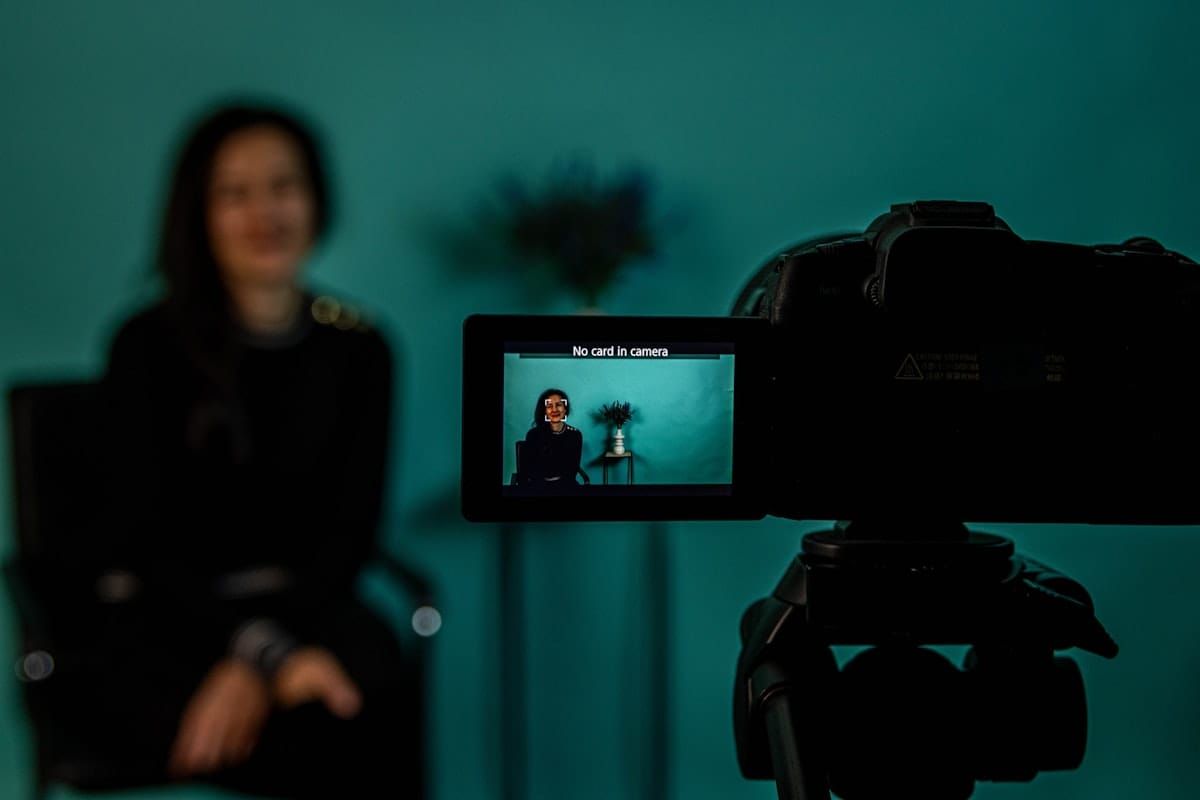
Video testimonials are more structured than UGC. Instead of user-submitted clips, you interview satisfied customers on camera with prepared questions. The result is a polished but genuine endorsement of your product or service.
The format works best when the customer tells their story — not when they read a script. Ask them what problem they were trying to solve, what alternatives they considered, and what specific results they've seen. Let them speak naturally.
One thing that's surprised us: testimonial videos perform well on both social media and your website. On social, they build credibility. On your landing pages, they're one of the most effective elements for pushing visitors toward a purchase. A single strong testimonial on a pricing page can move the needle more than paragraphs of feature descriptions.
Best for: Landing pages, LinkedIn, YouTube case studies, and sales enablement
7. Interview and Q&A Videos
Interview-format videos position you as an authority by association. When you sit down with industry experts, thought leaders, or even interesting customers, their credibility transfers to your brand.
This format is having a moment on LinkedIn and YouTube, where professional audiences actively seek out long-form conversations. The rise of video podcasts has made this more accessible than ever — you don't need a studio. A decent webcam, good audio, and a platform like Riverside or Zoom will handle the technical side.
The most effective interviews have a specific angle rather than a generic conversation. "How did you grow from 0 to 10K subscribers?" works better than "Tell me about your career." Give your guest a clear topic and your audience a reason to watch.
Best for: Building authority, networking, long-form YouTube content, and podcast cross-promotion
8. Animated and Explainer Videos
Some topics are hard to demonstrate with live footage. If you're explaining a technical process, a complex workflow, or an abstract concept, animation lets you visualize things that cameras can't capture.
Explainer videos are a staple on SaaS landing pages and YouTube channels for good reason — they condense complex ideas into digestible 60-90 second clips. Tools like Vyond, Doodly, and even Canva's video editor have made basic animation accessible to non-designers.
A common mistake we see is overcomplicating animated videos. The best explainers pick one concept and break it down clearly. If you're trying to cover five features in 90 seconds, you'll lose your audience. One concept, one clear visual story.
Best for: SaaS product overviews, educational content, social ads, and website landing pages
9. Stories
Stories (Instagram Stories, Facebook Stories) are the ephemeral format — they disappear after 24 hours. That time pressure creates urgency and drives higher completion rates than feed posts.
The disappearing nature of Stories makes them ideal for content that doesn't need to live forever: flash sales, daily updates, quick polls, countdown timers for launches, and casual behind-the-scenes moments. They complement your permanent feed content rather than replacing it.
Where Stories shine is in keeping your existing audience engaged. They won't help you reach new people the way Reels do, but they'll keep your followers coming back daily. Think of Stories as your retention format — the regular touchpoint between bigger content drops.
Best for: Flash promotions, audience polling, daily engagement, and driving traffic to links (swipe up / link sticker)
10. Event and Announcement Videos
Product launches, company milestones, industry events, and seasonal campaigns all benefit from dedicated announcement videos. This format creates a moment around your news instead of just posting a text update.
These don't need to be elaborate. A 30-60 second video with a clear message, some energy, and a call-to-action outperforms a plain text announcement every time. For bigger events, consider a short teaser video leading up to the event, a live stream during it, and a highlights reel afterward — that's three pieces of content from one event.
LinkedIn is particularly effective for B2B announcements, while Instagram and TikTok work better for consumer-facing reveals.
Best for: Product launches, company updates, event promotion, and seasonal campaigns
The Reach vs. Engagement Paradox
Here's something counterintuitive from the data: video isn't always the highest-engagement format.
Buffer's analysis of 45 million posts found that LinkedIn carousels earn a median engagement rate of 21.77% — 196% more than video on the same platform (Buffer, 2026). On Facebook, Reels get the most reach but photo posts get more comments.
What this means practically: use video for reach and discovery, and supplement with other formats for depth. A short video brings people in; a carousel, blog post, or detailed thread keeps them engaged. The brands doing this well aren't choosing between video and other formats — they're using both strategically.
Which Formats Work on Your Website?
Most guides focus on social-native video. But if you're also embedding video on your website — landing pages, blog posts, product pages — the rules change.
Not every social format translates well to a website. Vertical short-form videos look awkward on desktop. Live streams lose their appeal when the "live" part is over. Stories don't embed at all.
The formats that work best on websites are product demos, explainer videos, tutorials, and testimonials. These serve a clear purpose: showing the visitor what they need to make a decision.
The catch? If you're embedding YouTube videos on your site, you're also embedding YouTube's ads, branding, and competitor recommendations. That "Related Videos" panel at the end of a YouTube embed can literally send your visitors to a competitor's channel.
When you embed video on your site, ads and competitor links become a real problem. SmartVideo lets you host and embed video without ads, without third-party branding, and with faster load times than YouTube embeds. See how it works →
A Note on AI-Assisted Video Production
One trend worth mentioning: 63% of video marketers now use AI tools for some part of their video creation or editing workflow (Sprout Social, 2026). AI isn't a video format itself, but it's making every format on this list faster and cheaper to produce.
AI tools handle tasks like auto-captioning, thumbnail generation, clip selection from longer recordings, and even rough-cut editing. The practical impact is that producing 3-5 short-form clips per week — which felt impossible for small teams two years ago — is now realistic.

How to Choose Your Format
Don't try to produce all 10 formats at once. Start with the one or two that align with your biggest goal:
- Need more visibility? Start with short-form video on TikTok, Reels, or Shorts
- Need conversions? Focus on product demos and testimonials for your website
- Need trust? Behind-the-scenes and UGC are your highest-leverage options
- Need authority? Interviews and educational content on YouTube and LinkedIn
Then repurpose. A 10-minute interview can become 5 short-form clips, 3 quote graphics, and a blog post. One format feeds many others.
For a broader look at where video marketing is heading, check out the top video trends shaping 2026. And if you want to go deeper on strategy, here's our guide to building a video marketing strategy that actually holds up.
Frequently Asked Questions
What is the most effective social media video format in 2026?
How long should social media videos be?
Which social media platform is best for video marketing?
Do I need expensive equipment to create social media videos?
What is user-generated content (UGC) and why does it work?
Should I use vertical or horizontal video?
How can I repurpose one video into multiple formats?
Are live streams still worth doing in 2026?
What video formats work best on a website versus social media?
Bottom Line
Video isn't going away — the statistics make that clear. But the formats that work today are different from what worked three years ago. Short-form dominates for reach. Authenticity formats (BTS, UGC) build trust faster than polished brand content. And the smartest marketers are repurposing one recording into multiple formats rather than creating everything from scratch.
Pick the 2-3 formats that match your goals, get consistent with them, and expand from there. And if you're embedding video on your own site, make sure you're hosting it in a way that keeps visitors focused on your content — not someone else's.