
Best iPhone Tripods for Filming in 2026
The best iPhone tripod depends on how you film. Compare top picks for talking-head videos, travel, MagSafe, tabletop setups, and creator rigs.

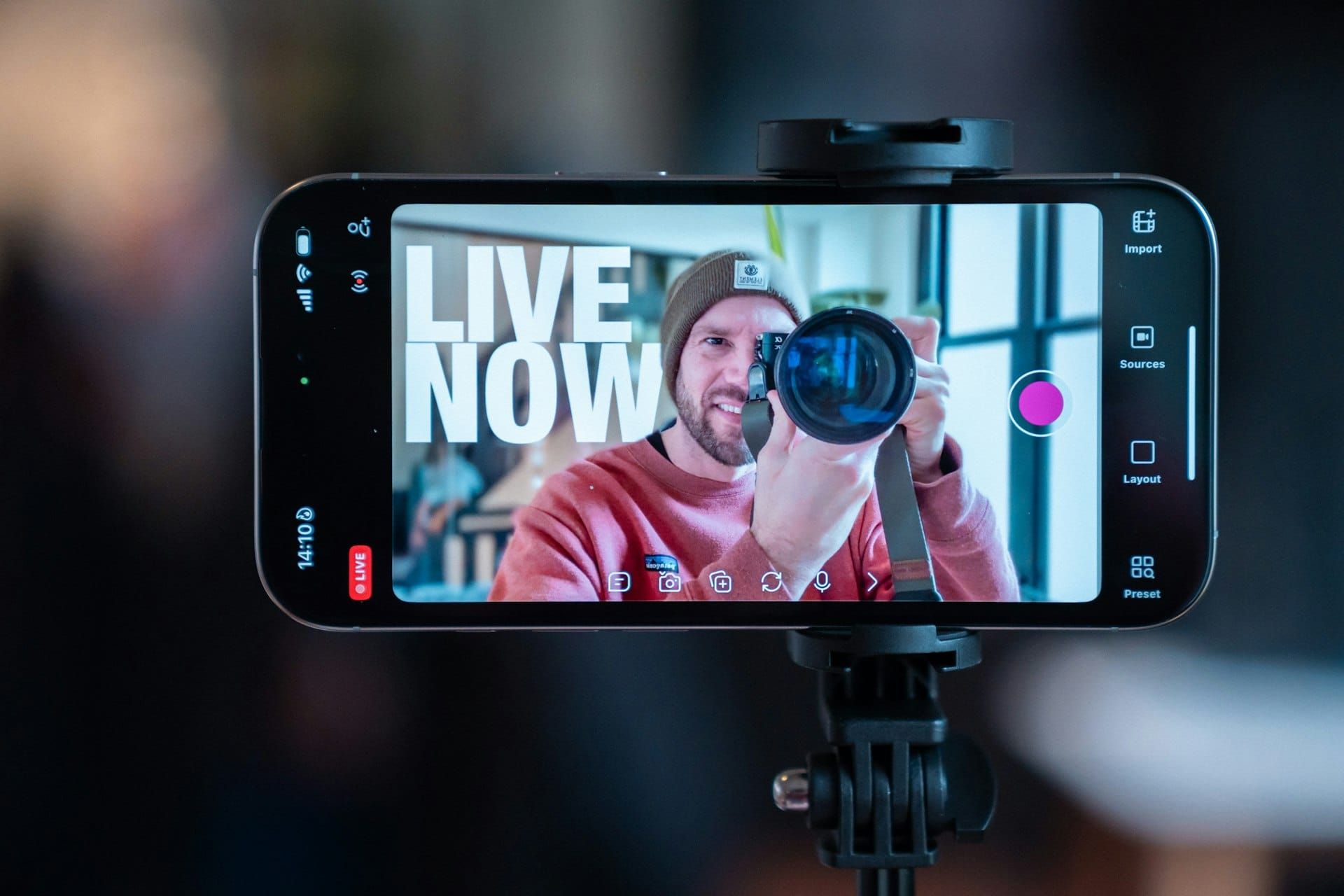
• Best overall for filming: A full-height option like the JOBY Compact Action Kit makes eye-level talking-head shots easier than a mini tripod.
• Best compact pick: The Ulanzi MT-44 covers handheld, tabletop, and travel use without taking much space.
• Best quick stat: 91% of businesses use video as a marketing tool, and 89% say video quality affects trust (Wyzowl, 2026), so stable framing matters more than it used to.
• When to skip a tripod: If you need walking shots or moving product demos, a gimbal is usually the better tool than any iPhone tripod.
The best iPhone tripod for filming is the one that matches your shot: a full-height tripod for talking-head videos, a tabletop model for desk work, a MagSafe stand for quick clips, or a flexible rig when you need lights and mics. The old “one tripod fits everything” advice is what leads people to buy a tiny stand for a job that really needs eye-level height and a secure phone mount.
A common mistake we see is buying for portability first and realizing later that the tripod never reaches the right framing height. That matters more now because video is a routine business tool, not a side project: 91% of businesses use video, and 89% of consumers say video quality affects their trust in a brand (Wyzowl, 2026). If your iPhone footage looks shaky or awkwardly framed, the tripod is often part of the problem.
This rewrite takes a video-first angle instead of treating the query like a photography roundup. We focused on the setups people actually use for tutorials, product videos, shorts, interviews, and in-house marketing, then filtered for current models with credible specs and clear filming use cases. We did not lab-test every tripod side by side for this update, so where we rank a pick, that ranking is based on current manufacturer specs, creator-focused design, and how these tripod types perform in real iPhone video workflows.
| Tripod | Best for | Why it stands out | Main trade-off |
|---|---|---|---|
| JOBY Compact Action Kit | Talking-head videos | Full-size tripod, included phone mount, cold shoes, better eye-level framing | Less pocketable than mini tripods |
| Ulanzi MT-44 | Budget travel filming | Hand grip, selfie-stick, and tripod in one compact setup | Less stable at full extension |
| Manfrotto PIXI + Smartphone Clamp | Desk and tabletop shots | Solid base, simple setup, good for product shots and Zoom-style framing | Too short for standing or seated eye-level shots |
| Peak Design Mobile Tripod | Pocket carry and MagSafe convenience | Very slim, fast to deploy, easy for quick vertical or horizontal clips | It is a stand, not a tall tripod |
| JOBY GripTight PRO 2 GorillaPod | Creator rigs and uneven surfaces | Flexible legs, portrait or landscape use, removable cold shoe mount | Not ideal for clean eye-level framing on open floors |
| Ulanzi MT-85 | Fast social clips | Quick pop-up design, MagSafe-friendly workflow, fast setup for short-form video | Convenience over maximum stability |
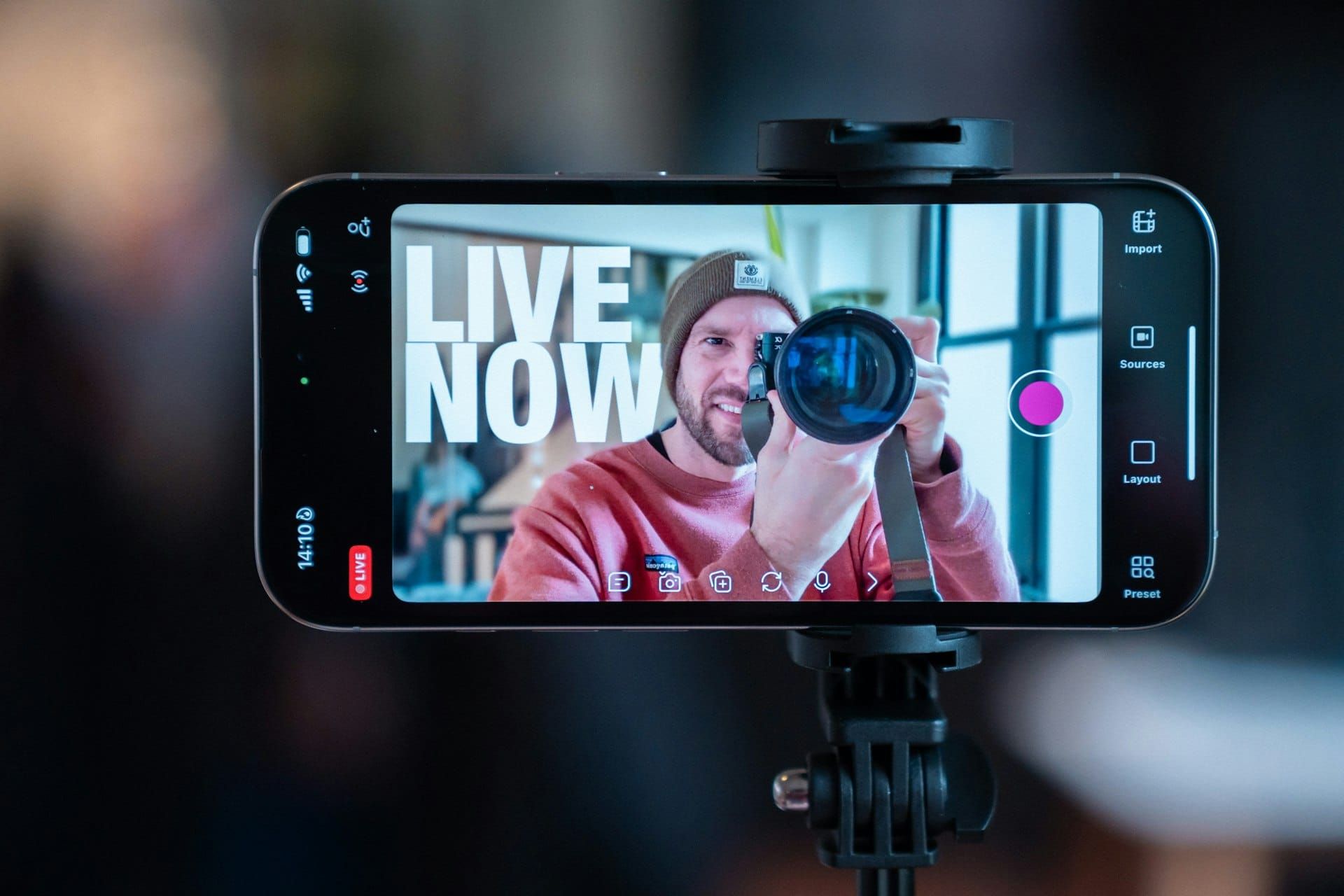
How We Chose These iPhone Tripods
For this update, we weighted video usability more heavily than still-photo use. That means we cared less about how a tripod performs on a long-exposure landscape shot and more about whether it can hold framing through a 60-second talking-head take, switch quickly between portrait and landscape, and carry a phone safely with a case attached.
From working with website video and creator workflows, these are the criteria that matter most:
Usable height: Can it get the lens close to eye level, or are you stuck with an unflattering low angle?
Mount security: A secure clamp beats a convenient magnet when you are outdoors, adding lenses, or filming longer takes.
Accessory support: If you use a mic or compact light, cold shoes and 1/4-inch threads save a lot of friction.
Real portability: Pocketable, bag-friendly, and “comfortable to actually carry” are not the same thing.
Shot flexibility: Some tripods are good only on flat floors. Others can work on desks, rails, benches, or uneven outdoor surfaces.
If your setup also needs better sound, pair your tripod choice with Swarmify’s guide to iPhone microphones. Stable footage and clean audio solve different problems, and fixing only one of them still leaves the video feeling unfinished.
The Best iPhone Tripods for Filming
1. JOBY Compact Action Kit: Best for talking-head videos
JOBY Compact Action Kit is the easiest recommendation if your main goal is filming yourself at eye level. The reason is simple: most “phone tripods” are really mini stands, while this one is built more like a standard full-height tripod and includes a phone mount with cold shoes. That gives you a cleaner path to testimonials, course videos, product explainers, and business updates.
A common mistake we see is trying to film seated interviews on a mini tripod placed on a box or stack of books. It works in a pinch, but the frame drifts, the setup looks improvised, and you lose time every time you reset. A full-height tripod is less exciting on paper, but in practice it is the option that keeps your lens where it belongs.
Pros: Better height for eye-level framing, included phone clamp, useful for horizontal or vertical video, more stable than pocket tripods. Cons: Bulkier than a desk tripod, so it makes less sense if you mostly shoot at a table.
2. Ulanzi MT-44: Best budget iPhone tripod for travel
Ulanzi MT-44 is a good fit for people who want one compact tool that can act as a hand grip, a mini tripod, and a quick travel stand. In our experience, this is the sweet spot for creators who film reels, on-location clips, hotel-room explainers, or simple social videos without carrying a full kit.
The upside is versatility. The downside is that all-in-one travel tripods get less stable as you push them to full extension. That does not make them bad; it just means you should treat them like a travel option, not like a replacement for a heavier tripod when wind, long takes, or telephoto framing enter the picture.
Pros: Compact, easy to pack, fast to switch between handheld and tripod use, good value. Cons: Stability falls off at maximum reach, especially outdoors.
3. Manfrotto PIXI + Smartphone Clamp: Best for desk setups and product shots
Manfrotto PIXI remains useful because tabletop filming is still one of the most common iPhone video setups. If you record tutorials at a desk, shoot close-up product clips, or need a stable phone position beside a monitor, this style of mini tripod is usually more practical than a full travel tripod.
We have seen desk creators overbuy here. They reach for a large tripod because it sounds more “professional,” then discover that a solid mini tripod gives them faster setup, less clutter, and better stability on a table. The catch is height: once you need chest-level or eye-level framing, you are outside the PIXI’s lane.
Pros: Stable on desks, simple controls, well-suited to close framing. Cons: Minimal reach and limited flexibility outside tabletop use.
4. Peak Design Mobile Tripod: Best pocketable MagSafe option
Peak Design Mobile Tripod is not the tripod to buy if you need room-level height or outdoor stability. It is the one to buy if you want a stand that is always with you. For quick vertical clips, FaceTime-style recordings, or a backup support that stays attached to your phone or case, this form factor is genuinely useful.
MagSafe convenience is real, but it changes the risk profile. For static indoor shots, it is often enough. For rough terrain, longer takes, or anything involving movement around the phone, we still prefer a clamp-based setup. That is the main trade-off with magnetic mounts: speed versus security.
Pros: Extremely portable, very fast setup, clean design for daily carry. Cons: Too short for most formal video setups and less secure than a clamp in tougher conditions.
5. JOBY GripTight PRO 2 GorillaPod: Best for creator accessories and uneven surfaces
JOBY GripTight PRO 2 GorillaPod is the pick that makes the most sense when your tripod also needs to be a small creator rig. The flexible legs help on benches, railings, and uneven surfaces, while the removable cold shoe mount gives you a path to adding a compact mic or light without rebuilding the whole setup.
This is also one of the few styles that still makes sense when you are shooting in awkward spaces. We have seen it work well in coffee shops, trade show booths, and travel environments where a regular tripod footprint is more trouble than help. Just keep expectations realistic: flexible-leg tripods are about placement freedom, not perfect eye-level stability in open space.
Pros: Flexible placement, better accessory support, quick portrait-to-landscape changes. Cons: Less natural for classic interview framing on the floor.
6. Ulanzi MT-85: Best for fast short-form recording
Ulanzi MT-85 is a convenience-first option for creators who prioritize speed. If your workflow is “pull out phone, record a quick update, post,” a fast-deploy MagSafe-friendly tripod can be more realistic than a heavier support you leave at home.
That said, convenience gear works best when you stay within its limits. We would use this for quick social clips, lightweight indoor recording, and fast B-roll. We would not choose it for windy exteriors, long-form interviews, or any setup where the phone needs to stay perfectly locked for repeated takes.
Pros: Fast deployment, easy for vertical content, simple daily-use workflow. Cons: Built around speed more than maximum stability.
If your iPhone videos are going on your website, a fast, distraction-free player matters just as much as stable footage. See how SmartVideo fits into the rest of that workflow.
Tripod vs. Mount vs. Selfie-Stick Tripod vs. Gimbal
Buy a tripod when the phone needs to stay still for interviews, demos, tutorials, livestreams, or product clips. That is still the best value for most business and creator use.
Buy just a phone mount if you already own a solid camera tripod. In a lot of cases, that is the smartest purchase because the weak link is not the legs, it is the missing smartphone clamp.
Buy a selfie-stick tripod when portability matters more than absolute stability. These work well for travel, quick pieces to camera, and social clips, but they are usually less confidence-inspiring at full extension.
Buy a gimbal when the shot moves with you. If you walk, orbit products, or want floating motion, a tripod will not solve the problem. It solves stillness, not movement.
What Actually Matters When Choosing an iPhone Tripod
Height matters more than most buying guides admit
The biggest buying mistake is choosing a tripod that never gets the lens high enough. For a seated talking-head setup, you usually want the phone near eye level, not pointed up from desk height. If your main use is self-recorded business video, a full-height tripod is usually the safer buy than a creator mini tripod.
Clamp mounts are safer than MagSafe when the shot matters
MagSafe stands are quick and convenient, but a clamp is still the safer choice for longer takes, heavier cases, windy conditions, and any setup where the phone might get bumped. In our experience, magnets are at their best when speed is the priority and the environment is controlled.
Accessory mounts save money later
If you plan to add a microphone or LED light, look for cold shoes or threaded mounting points now. Otherwise you end up buying brackets and adapters later. That is why creator-oriented options from JOBY and similar brands often make more sense than a cheaper generic tripod that only solves the first 80% of the setup.
Desk filming and overhead filming are separate use cases
People often search “best iPhone tripod for overhead filming,” but for true top-down product demos, recipe shots, or unboxings, a standard tripod is often the wrong tool. We have had better results using a dedicated overhead arm or desk-mounted stand than trying to lean a travel tripod into an awkward angle. If overhead shots are your main job, buy for that job specifically.
Once the phone is stable, camera settings matter more. Swarmify’s guides to shutter speed for video, ISO sensitivity, and aspect ratio help you turn a decent tripod setup into footage that actually looks intentional.
Best iPhone Tripod by Use Case
For talking-head videos
Choose a full-height tripod first. If you record sales updates, YouTube explainers, course material, or founder videos, clean eye-level framing is worth more than fancy leg articulation. This is where the JOBY Compact Action Kit earns its place.
For tutorials and online courses
Tabletop tripods and full-height tripods both work, depending on whether you teach at a desk or standing up. What matters is repeatability. Once you dial in a frame, you want it back tomorrow without rebuilding the setup from scratch. Swarmify’s guide to improving online course videos goes deeper on lighting, framing, and lesson delivery.
For travel and field recording
Compact hybrid tripods win here because you are balancing space, speed, and stability. The Ulanzi MT-44 makes sense if you need one tool that can travel in a day bag and still handle quick tripod duty when you arrive.
For short-form social content
Short-form remains one of the formats marketers are investing in most, with 17.13% saying it was the content format they planned to invest in most for 2025 (HubSpot, 2025). That pushes the choice toward fast setup, portrait orientation, and simple carry rather than maximum height. If that is your workflow, the pocketable and MagSafe-style options become much more attractive.
For business video on your website
A tripod is just the capture side of the job. After that, you still need editing, hosting, and a player that does not distract from the message. If you are building an in-house workflow, Swarmify’s guides to editing videos, video marketing strategy, and video hosting platforms are the next steps.
That workflow matters because short-form video is producing measurable returns, with 41% ROI reported for short-form video in current social marketing data (Sprout Social, 2026). A tripod is not the glamorous purchase in that stack, but it is often the tool that makes in-house filming consistent enough to keep doing.
FAQ
What is the best iPhone tripod for filming?
Which iPhone tripod is best for content creators?
Do I need a tripod or just an iPhone tripod mount?
Can you use a regular camera tripod with an iPhone?
Is a gimbal better than a tripod for iPhone video?
What is the best iPhone tripod for overhead filming?
What is the best iPhone tripod for travel?
Are MagSafe tripod mounts secure enough for video?
What height tripod do I need for talking-head videos?
Do selfie-stick tripods work for video recording?
Conclusion
If you mostly film yourself speaking, buy height and stability before you buy clever form factors. If you mostly travel or post quick social clips, compact and MagSafe-friendly options make more sense. Once the footage is recorded, a clean hosting setup matters just as much, which is where SmartVideo becomes the next practical step for teams publishing video on their own site.